
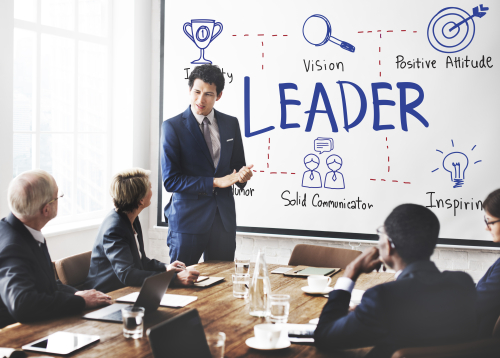
Leadership is not a destination reached through a job title, promotion, or years of experience. It is a continuous process of learning, reflection, and improvement. The most effective leaders recognize that every stage of their professional journey presents new challenges that require curiosity, adaptability, and a willingness to grow. Understanding why leadership is a lifelong journey helps professionals move beyond the idea that leadership is a fixed ability and instead view it as an ongoing practice shaped by experience, relationships, and personal development.
Why Leadership Requires Continuous Growth
Leadership demands more than technical knowledge or authority. It requires individuals to understand people, respond thoughtfully to change, and develop the ability to make decisions in complex situations. These capabilities are not completed through a single course, role, or career milestone. They continue to develop as leaders encounter new responsibilities and perspectives.
Strong leaders regularly examine their own assumptions, seek feedback, and identify opportunities to improve. This mindset creates a foundation for lifelong leadership development because growth becomes part of the leadership role itself rather than an activity reserved for moments of transition.
Professionals who approach leadership as an ongoing discipline are often better prepared to support teams, mentor others, and navigate uncertainty. Experience provides valuable context, but continued learning allows leaders to apply that experience in ways that remain relevant as organizations and communities change.
Leadership Development Does Not End at Senior Levels
Many people associate leadership development with early career preparation or the transition into management. However, experienced leaders also benefit from continued development. Reaching a senior position does not eliminate the need for reflection, learning, and improvement.
Executive development programs demonstrate that leadership growth continues even among professionals who have already achieved significant responsibility. Research and leadership initiatives focused on experienced professionals highlight the importance of expanding perspectives, learning from new challenges, and continuing to develop skills that support meaningful impact.
For example, insights from Harvard University’s Advanced Leadership Initiative emphasize that experienced leaders often enter new phases of contribution where continued learning, reflection, and service remain important parts of their leadership journey. The discussion of advanced leadership development programs reinforces the idea that leadership is not completed by reaching a particular level of achievement.
This perspective changes how professionals think about career progression. Instead of viewing leadership as something that is achieved once, they can approach it as a practice that grows through new experiences, responsibilities, and opportunities to contribute.
The Role of Self-awareness in Becoming a Better Leader
One of the most important parts of continuous leadership growth is developing self-awareness. Leaders influence others through their decisions, communication styles, and responses to challenges. Understanding personal strengths, limitations, and patterns of behavior allows leaders to make more intentional choices.
Self-awareness helps leaders recognize that growth is not only about acquiring new skills. It is also about understanding how those skills are applied. A leader may have strong strategic knowledge, but effectiveness depends on how that knowledge is communicated, shared, and adapted to the needs of others.
Developing emotional intelligence, listening skills, and the ability to accept feedback can strengthen relationships within teams. These qualities help leaders create environments where people feel supported, challenged, and encouraged to develop their own capabilities.
For professionals considering how to become a better leader over time, the process begins with a willingness to learn from experiences. Each conversation, challenge, and decision can provide insight that contributes to future leadership effectiveness.
Why Lifelong Learning Matters for Modern Leaders
The expectations placed on leaders continue to expand. Leaders are often responsible for balancing organizational priorities, supporting teams, encouraging innovation, and responding to changing circumstances. These responsibilities require more than past experience alone.
The importance of lifelong learning in leadership comes from the ability to remain open to new ideas and approaches. Leaders who continue learning can better understand different perspectives, evaluate new opportunities, and encourage a culture where improvement is valued.
Organizations that prioritize continuous improvement often recognize that leadership capability is strengthened through ongoing development rather than occasional training events. The executive leadership learning insights from the National Institute of Standards and Technology’s Baldrige Fellows highlight how reflection, collaboration, and performance improvement support leaders as they continue expanding their capabilities.
Lifelong learning can take many forms, including professional education, mentorship, conversations with peers, reading, experimentation, and reflection. The specific method matters less than the commitment to continued improvement.
Developing Leadership Skills at Every Career Stage
Leadership growth looks different throughout a career. Early-career professionals may focus on building confidence, communication skills, and decision-making abilities. Mid-career leaders may focus on managing complexity, developing others, and strengthening organizational influence. Experienced leaders may focus on mentoring, creating impact, and sharing knowledge.
Early Career Leadership Growth
Emerging leaders often benefit from developing habits that support long-term success. Learning how to communicate clearly, collaborate effectively, and take responsibility for outcomes creates a strong foundation for future leadership opportunities.
At this stage, leadership is often demonstrated through everyday actions rather than formal authority. Taking initiative, supporting colleagues, and seeking opportunities to learn can help professionals begin building leadership capacity.
Experienced Leadership Growth
For established leaders, growth may involve refining existing approaches and exploring new ways to create value. Experienced professionals can continue strengthening their leadership by mentoring others, challenging assumptions, and adapting their strategies to new situations.
Leadership maturity often comes from recognizing that past success does not remove the need for future learning. The ability to evolve while remaining grounded in experience is a defining characteristic of effective leadership.
How Leaders Can Build a Habit of Continuous Improvement
Becoming a stronger leader over time requires intentional practices. Leadership development is most effective when it becomes part of everyday professional life rather than something approached only during formal training opportunities.
- Seek feedback regularly: Honest perspectives from colleagues, mentors, and teams can reveal opportunities for improvement.
- Reflect on experiences: Reviewing decisions and outcomes helps leaders identify lessons they can apply in future situations.
- Continue learning: Education, professional conversations, and new experiences help leaders expand their understanding.
- Support others: Teaching and mentoring others often strengthens a leader’s own skills and perspective.
- Stay adaptable: Openness to change allows leaders to respond effectively to new challenges.
These habits reinforce the idea that leadership is built through consistent effort. Growth does not require perfection; it requires commitment to learning and improvement.
Leadership as a Journey of Contribution and Impact
The most meaningful leadership journeys extend beyond individual achievement. Leaders influence the people around them, shape workplace cultures, and contribute to the development of future leaders.
Viewing leadership as a lifelong journey encourages professionals to consider how their knowledge and experiences can benefit others. A leader’s growth creates opportunities not only for personal advancement but also for stronger teams and communities.
This approach reflects a broader understanding of leadership. Success is not measured only by positions held or goals achieved. It is also reflected in the ability to learn continuously, guide others, and create positive outcomes through thoughtful action.
For professionals, entrepreneurs, educators, and organizational decision-makers, embracing lifelong leadership development provides a practical path toward lasting effectiveness. Leadership evolves because people, organizations, and circumstances evolve. The willingness to continue learning is what allows leaders to remain prepared for what comes next.
Leadership is a lifelong journey because growth never truly ends. Every experience provides a chance to develop new skills, gain deeper understanding, and create greater impact. Leaders who commit to continuous growth are better positioned to support others, navigate challenges, and contribute meaningfully throughout their careers.
Frequently Asked Questions
Why is leadership considered a lifelong journey?
Leadership is considered a lifelong journey because effective leaders continue learning, adapting, and improving throughout their careers. Leadership development does not end with a promotion or senior position; it grows through experience, reflection, and continuous learning.
How can professionals continue their leadership skills development over time?
Professionals can continue leadership skills development by seeking feedback, building self-awareness, learning from experiences, and developing new approaches to challenges. Continuous leadership growth comes from intentional practices such as mentorship, education, reflection, and supporting others.
How does lifelong learning help people become better leaders?
Lifelong learning helps people become better leaders by expanding their perspectives, strengthening decision-making abilities, and improving their ability to adapt. Leaders who commit to ongoing development are better prepared to guide teams, respond to change, and create positive impact.
Disclaimer: The information provided is for general knowledge and educational purposes only and does not constitute professional advice.
You may also be interested in: How Personal Development Supports Everyday Happiness
Organizations are being asked to prepare diverse talent for AI, changing work models, and rising skill demands, and technology alone won’t close the gap. Dr. JoAnn Rolle is a Ph.D. economist, former IBM executive, former Dean of the School of Business at Medgar Evers College (CUNY), Past President of the National HBCU Business Deans Roundtable and author of Tech-Enabled Futures. Her Tech-Enabled Futures™ approach treats AI as a teammate that amplifies human judgment instead of replacing it. She helps organizations turn AI disruption into practical, inclusive strategies that build AI readiness, develop talent, and prepare people to thrive in the future of work. Start the conversation today.
Powered by flareAI.co
