
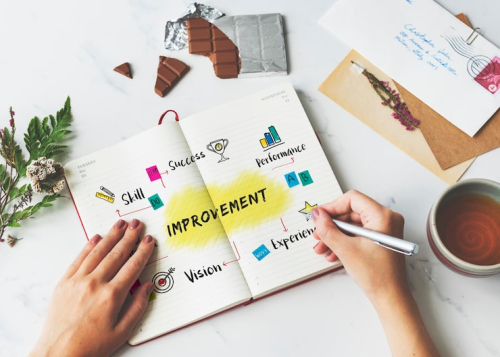
In today’s fast-evolving North American and European workplaces, professionals who can pivot quickly and bounce back from setbacks aren’t just succeeding they’re setting the standard. Why Career Development Trends Now Prioritize Adaptability and Resilience reflects a fundamental shift: the most valuable talent isn’t defined by static credentials anymore, but by the ability to learn, unlearn, and thrive amid constant change.
The New Realities Reshaping Careers Across Regions
Remote work, artificial intelligence, economic pressures, and shifting cultural expectations have transformed what it means to build a sustainable career. What worked a decade ago specializing narrowly and climbing a predictable ladder now feels increasingly risky. Instead, professionals and organizations in the United States are placing fresh emphasis on adaptability and resilience as core career competencies.
Adaptability involves adjusting strategies, skills, and mindsets in response to new technologies, market demands, and unexpected disruptions. Resilience is the capacity to recover from challenges, maintain focus during turbulence, and emerge stronger. Together, these traits have moved from “nice-to-have” to essential in career development conversations across industries.
Why Adaptability Has Become Essential
The pace of technological change continues to accelerate. Roles that once felt secure can evolve or disappear within years. Companies actively seek professionals who don’t just accept new tools but leverage them to create value. This reality stands out in sectors undergoing digital transformation, where integrating emerging technologies into daily operations separates high performers from those struggling to keep pace.
Rather than fearing automation, adaptable professionals view it as an opportunity to elevate their contributions shifting from routine tasks to strategic problem-solving and innovation. This mindset helps both individuals and organizations remain competitive in a landscape where yesterday’s expertise may not address tomorrow’s challenges.
Building Resilience Amid Ongoing Uncertainty
Economic cycles, industry disruptions, and personal circumstances test everyone’s ability to persevere. Resilient professionals demonstrate emotional regulation, solution-oriented thinking, and the willingness to seek support when needed. Organizations notice that teams with strong collective resilience navigate change more effectively and sustain productivity during difficult periods.
Post-pandemic experiences have reinforced this priority. Many professionals discovered that traditional markers of success titles, offices, or long tenure provided less protection than the internal resources needed to adapt when plans shifted unexpectedly.
Digital Transformation Driving Demand for Adaptable Talent
Businesses across the United States are investing significantly in reskilling employees for technology-driven roles in areas such as AI, cloud computing, and cybersecurity. Federal initiatives in the U.S., including apprenticeship programs from the Department of Labor, along with similar efforts in Canada and EU member states, underscore the growing recognition that adaptable skillsets deliver lasting workforce value.
This emphasis on continuous development reflects a broader understanding: static knowledge has a limited shelf life. Professionals who treat learning as an ongoing practice position themselves for sustained relevance and opportunity. Software consulting expertise has become particularly vital as organizations prioritize the efficient implementation of software into their IT infrastructure to support digitalization of business processes.
Practical Steps for Technology Adoption
- Experimenting with new tools in small, low-risk ways to build familiarity and confidence
- Seeking cross-functional projects that expose individuals to different technologies and perspectives
- Participating in internal knowledge-sharing sessions to accelerate collective learning
- Engaging with online platforms and professional networks popular in North America and Europe
The Impact of Remote and Hybrid Work Models
Flexible work arrangements have become a defining feature of modern workplaces in the United States, Canada, and across Europe. While they offer greater autonomy, they also demand higher levels of self-motivation, disciplined time management, and independent problem-solving key hallmarks of resilience.
Success in distributed environments requires professionals to build strong virtual relationships, communicate clearly across time zones, and maintain personal wellbeing without traditional office structures. Those who master these skills often experience greater career satisfaction and improved work-life integration.
Lifelong Learning as a Strategic Career Advantage
Higher education institutions and corporate training programs in North America and Europe increasingly offer micro-credentials, modular courses, and flexible learning pathways. This evolution acknowledges that career development no longer concludes with a degree it continues throughout one’s working life.
Professionals who cultivate curiosity and actively pursue new knowledge create multiple career options. They become valuable not only for current expertise but for their proven ability to acquire whatever skills future challenges require.
Management Consulting and Organizational Adaptation
Leading organizations turn to expert advisors to improve performance, manage change, and solve critical business issues. Management consulting services support companies navigating digital transformation, regulatory demands, data-driven decision making, globalization, and expertise in sustainability and AI. North American firms continue to lead in adoption, while European businesses integrate these insights with regional compliance standards such as GDPR.
This reliance on external expertise highlights a key truth: even established companies need resilient, adaptable approaches to stay ahead. Consultants help translate complex challenges into actionable strategies that empower internal teams.
Strategies for Individuals to Develop Core Competencies
Building adaptability and resilience requires intentional practice. Professionals can begin by regularly assessing skill gaps, seeking diverse experiences, and developing stress management techniques that support clear thinking under pressure.
Networking across industries, maintaining a growth-oriented mindset, and documenting lessons from both successes and setbacks contribute to greater career resilience. Small, consistent actions compound into significant long-term advantages, whether in bustling U.S. tech hubs, Canadian innovation centers, or dynamic European markets.
Organizational Leadership in Fostering Adaptable Teams
Forward-thinking companies treat adaptability and resilience as cultural priorities rather than traits to simply hire for. They implement mentorship programs, promote psychological safety, and provide learning stipends that empower employees to grow continuously.
Leaders who model vulnerability, encourage experimentation, and celebrate learning from failure create environments where resilience thrives naturally. This approach enhances retention, drives innovation, and strengthens overall organizational agility across diverse regulatory and cultural contexts.
Looking Forward: Thriving in the Future of Work
As industries evolve, professionals who embrace adaptability and resilience will enjoy more options, faster recovery from setbacks, and deeper professional fulfillment. Organizations that nurture these qualities position themselves to innovate and compete effectively on both sides of the Atlantic.
The message is clear: career success in the coming years will belong to those who remain curious, flexible, and determined in the face of change. By investing in these human strengths alongside technical capabilities, professionals and employers can build more sustainable and rewarding paths forward.
Final Thoughts
The growing focus on adaptability and resilience in career development represents more than a passing trend. It signals a deeper evolution in how we understand professional growth in an unpredictable world. Those who cultivate these qualities don’t merely survive change they harness it as a powerful source of opportunity and personal advancement.
Whether you are an individual contributor planning your next steps or a leader shaping team capabilities, prioritizing these foundational traits offers one of the most reliable strategies for long-term success in today’s dynamic global workforce.
Frequently Asked Questions
Why are adaptability and resilience considered essential career skills today?
Adaptability and resilience have shifted from “nice-to-have” traits to core career competencies because of rapid technological change, AI-driven automation, remote work, and ongoing economic uncertainty. Professionals who can adjust their strategies and recover from setbacks are better positioned to stay relevant as roles evolve or disappear. Rather than fearing disruption, adaptable professionals treat it as an opportunity to move from routine tasks toward strategic problem-solving and innovation.
How does digital transformation affect career development and workforce skills?
Digital transformation is driving significant demand for professionals skilled in areas like AI, cloud computing, and cybersecurity, prompting businesses across the U.S., Canada, and Europe to invest heavily in reskilling programs. Static knowledge has a limited shelf life, so professionals who treat learning as an ongoing practice through micro-credentials, modular courses, or cross-functional projects gain a lasting competitive advantage. Government initiatives, such as U.S. Department of Labor apprenticeship programs and similar EU efforts, further underscore the workforce value of continuously updated, adaptable skillsets.
What practical steps can professionals take to build adaptability and resilience in their careers?
Professionals can build these competencies intentionally by regularly assessing skill gaps, experimenting with new tools in low-risk ways, and seeking cross-functional projects that broaden their exposure. Developing stress management techniques, maintaining a growth mindset, and networking across industries also strengthen career resilience over time. On the organizational side, companies that promote psychological safety, offer learning stipends, and celebrate learning from failure create environments where these traits naturally thrive.
Disclaimer: The information provided is for general knowledge and educational purposes only and does not constitute professional advice.
You may also be interested in: Eager to Learn: The Power of Lifelong Learning in a Fast-Paced World
Organizations are being asked to prepare diverse talent for AI, changing work models, and rising skill demands, and technology alone won’t close the gap. Dr. JoAnn Rolle is a Ph.D. economist, former IBM executive, former Dean of the School of Business at Medgar Evers College (CUNY), Past President of the National HBCU Business Deans Roundtable, author of Tech-Enabled Futures. Her Tech-Enabled Futures™ approach treats AI as a teammate that amplifies human judgment instead of replacing it. She helps organizations turn AI disruption into practical, inclusive strategies that build AI readiness, develop talent, and prepare people to thrive in the future of work. Start the conversation today.
Powered by flareAI.co
