
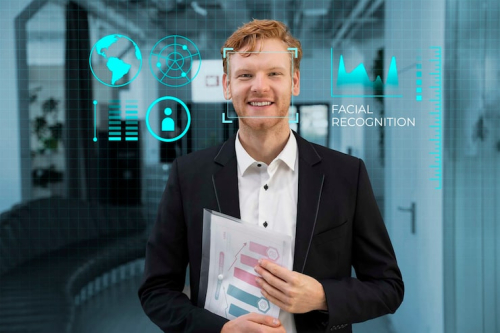
In boardrooms across the United States, leaders are grappling with a fundamental shift: artificial intelligence is no longer a futuristic experiment but a daily reality reshaping how work gets done. Teams that once relied solely on human intuition now collaborate with algorithms.
Organizations are being asked to prepare diverse talent for AI, shifting work models, and rising skill demands yet many approaches still fall short. The result is widening gaps, missed potential, and stalled progress. Dr. Jo Ann Rolle brings 35+ years of cross-sector insight to help leaders build practical, inclusive strategies for workforce, education, and entrepreneurship. Start the conversation today!
Understanding the Current Landscape of AI in U.S. Organizations
The pace of AI adoption has accelerated dramatically, with enterprises across industries experimenting with tools that promise greater efficiency and innovation. Hybrid human-AI teams are emerging as the new standard, where machines handle repetitive tasks while people focus on creativity, judgment, and relationship-building. This evolution affects everything from productivity metrics to employee morale and long-term strategic decision-making.
What makes readiness critical is the gap between enthusiasm for new technology and the organizational muscle needed to deploy it effectively. Without deliberate preparation, companies risk fragmented implementations, resistance from teams, and missed opportunities to create genuine value. The focus must shift from simply acquiring tools to building environments where people and AI truly thrive together.
Key Challenges in AI Workforce Integration
Leaders frequently encounter hurdles that go beyond technical specifications. Role ambiguity tops the list employees wonder how their responsibilities will evolve when AI can generate first drafts or spot patterns in seconds. Skills gaps emerge quickly, particularly in areas that blend technical fluency with distinctly human strengths like ethical reasoning and creative problem-solving.
Cultural resistance presents another significant layer. Teams accustomed to traditional workflows may view AI as a threat rather than a partner, leading to underutilization or outright avoidance. Data governance, compliance with regulations such as CCPA in the US, and concerns around bias and transparency add complexity, especially in sectors handling sensitive information. Organizations operating across borders must also consider GDPR requirements in Europe. Those that ignore these human dimensions often see promising initiatives stall.
Building a Foundation for Organizational Readiness
Successful integration begins with honest assessment. Start by evaluating your current capabilities across strategy, infrastructure, people, and processes. This means mapping existing workflows to identify where AI can augment rather than replace human effort. Leadership must articulate a clear vision that connects AI initiatives to broader business goals, ensuring buy-in at every level.
A thoughtful approach emphasizes the rare blend of tech, humanity, and art that defines effective transformation. Real-world expertise gained through hands-on implementation rather than abstract theory proves invaluable here. Purpose-driven content and training programs help teams see AI not as an abstract tool but as a collaborator that amplifies their unique contributions.
Developing an AI-Ready Culture
Culture eats strategy for breakfast, and this holds especially true for AI adoption. Foster psychological safety so employees feel comfortable experimenting with new tools without fear of judgment. Encourage cross-functional collaboration where technical experts partner with domain specialists to co-create solutions tailored to your organization’s specific needs.
Recognize that change management is ongoing. Regular communication about successes, failures, and lessons learned builds trust. Celebrate wins that demonstrate how AI frees people for higher-value work whether that’s strategic thinking, client relationships, or innovative problem-solving.
Practical Strategies for Workforce Development and Upskilling
Investment in people remains the cornerstone of readiness. Focus on skillset enhancement that combines technical literacy with enduring human capabilities. Training programs should be practical and iterative, allowing employees to apply concepts immediately rather than sitting through theoretical lectures.
Consider structured learning pathways that address different roles within the organization. Frontline staff might need guidance on effective prompt engineering and basic AI interaction, while leaders benefit from sessions on governance, ethics, and measuring real business impact. Organizations across North America are prioritizing personal coaching and training approaches that deliver personalized guidance suited to individual and team contexts, supporting broader self-improvement and professional growth efforts.
Blending digital platforms with human-led workshops creates engaging experiences. This hybrid model respects diverse learning preferences and reinforces the human element that AI cannot replicate. Thoughtful, purpose-driven content ensures participants walk away with actionable insights they can implement right away.
Navigating Risks and Ensuring Responsible AI Deployment
Responsible integration demands proactive governance. Establish clear policies around data privacy, bias mitigation, and ethical use that align with U.S. regulations like CCPA while extending consideration to cross-border operations in Canada and Europe, where GDPR sets high standards for data protection. Regular audits and transparency reports build stakeholder confidence.
Address common concerns head-on. Teams often question whether initiatives are worth the investment or how to choose approaches that deliver real value over more established names in the space. The answer lies in demonstrated real-world expertise and measurable outcomes rather than hype. Real-world case studies from organizations that have successfully balanced automation with human creativity provide the most compelling evidence.
Measuring Success and Driving Continuous Improvement
What gets measured gets managed. Define meaningful KPIs that go beyond simple adoption rates to include productivity gains, employee engagement, innovation output, and risk mitigation. Track both quantitative metrics and qualitative feedback to paint a complete picture of progress.
Build mechanisms for ongoing learning. Create feedback loops where teams share what works and what needs adjustment. This iterative approach mirrors the agile mindset that powers effective AI use. Over time, organizations develop institutional knowledge that becomes a lasting competitive advantage.
Real-World Examples of Effective AI Integration
These successes share common threads: strong leadership alignment, sustained investment in people, and a willingness to experiment thoughtfully. They demonstrate that when organizations prepare deliberately, AI becomes a powerful force multiplier rather than a source of disruption.
Overcoming Common Objections to AI Initiatives
Leaders naturally ask whether the effort and resources required justify the outcomes, especially when evaluating options from well-known authors or established providers. The differentiator often comes down to practical, context-specific guidance that combines deep technical understanding with genuine appreciation for human dynamics. What you receive should feel tailored clear frameworks, actionable steps, and ongoing support that respects your organization’s unique culture and goals.
Uncertainty about the actual value delivered is another frequent concern. Look for approaches grounded in real-world expertise rather than pure theory. When content is thoughtful and purpose-driven, it cuts through the noise and delivers substance that teams can immediately apply.
Preparing for a Human-Centered AI Future
The organizations that will thrive in the coming years are those that view AI workforce integration as both a leadership and cultural imperative, not merely a technology project. By investing in readiness strategies that honor both innovation and humanity, enterprises in the United States, Canada, and Europe can unlock meaningful productivity gains while building resilient, engaged teams ready for the future of work.
The path forward requires curiosity, commitment, and a willingness to learn continuously. With the right blend of real-world expertise, thoughtful approaches, and purpose-driven action, AI becomes not a replacement for human ingenuity but a powerful partner in creating lasting progress. The time to build that readiness is now.
Frequently Asked Questions
What are the biggest challenges organizations face when integrating AI into the workforce?
The most common challenges include role ambiguity, skills gaps, and cultural resistance from employees who view AI as a threat rather than a partner. Beyond the human side, organizations must also navigate data governance and compliance requirements such as CCPA in the U.S. and GDPR in Europe. Ignoring these human and regulatory dimensions is a primary reason promising AI initiatives stall before delivering real value.
How can companies build an AI-ready culture to support workforce integration?
Building an AI-ready culture starts with fostering psychological safety, so employees feel comfortable experimenting with new tools without fear of judgment. Leaders should encourage cross-functional collaboration between technical experts and domain specialists, and maintain ongoing, transparent communication about both successes and setbacks. Celebrating wins that show how AI frees people for higher-value work such as strategic thinking and client relationships helps shift the perception of AI from threat to trusted collaborator.
What upskilling strategies help employees thrive alongside AI tools?
Effective upskilling combines technical literacy with enduring human capabilities like ethical reasoning and creative problem-solving, tailored to different roles within the organization. Frontline staff benefit from hands-on training in areas like prompt engineering, while leaders need guidance on AI governance, ethics, and measuring business impact. A hybrid learning model blending digital platforms with human-led workshops respects diverse learning styles and ensures employees walk away with immediately actionable skills.
Disclaimer: The above helpful resources content contains personal opinions and experiences. The information provided is for general knowledge and does not constitute professional advice.
You may also be interested in: Bridging Generations: How Technology and Innovation Empower Seniors
Organizations are being asked to prepare diverse talent for AI, shifting work models, and rising skill demands yet many approaches still fall short. The result is widening gaps, missed potential, and stalled progress. Dr. Jo Ann Rolle brings 35+ years of cross-sector insight to help leaders build practical, inclusive strategies for workforce, education, and entrepreneurship. Start the conversation today!
Powered by flareAI.co
