
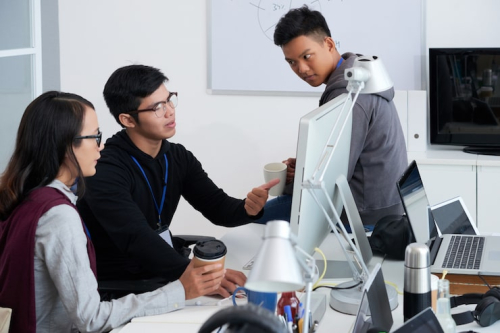
In today’s workplace, teams rarely gather only around physical conference tables. Instead, they connect across continents, time zones, and varied schedules, frequently weaving human creativity together with machine intelligence. As hybrid and remote arrangements settle in as standard practice, a fresh wave of tools is taking shape. These solutions do more than enable basic communication they actively improve the ways people think, innovate, and resolve challenges as a group.
Organizations are being asked to prepare diverse talent for AI, shifting work models, and rising skill demands yet many approaches still fall short. The result is widening gaps, missed potential, and stalled progress. Dr. Jo Ann Rolle brings 35+ years of cross-sector insight to help leaders build practical, inclusive strategies for workforce, education, and entrepreneurship. Start the conversation today!
The Convergence of AI and Teamwork
Artificial intelligence has moved well beyond research laboratories to become part of everyday collaboration. The Artificial Intelligence market worldwide is expected to reach US$335.29 billion by 2026, with the United States projected to account for the highest share at US$75.14 billion. This expansion shows organizations everywhere investing to sharpen their edge through machines capable of perception, reasoning, and learning.
The deeper change, however, lies not in processing power alone but in how AI supports distinctly human qualities empathy, intuition, and creative insight. Yesterday’s simple task managers now offer idea suggestions, nuanced discussion summaries, and early warnings of potential obstacles. This thoughtful fusion of technology and humanity is quietly reshaping productive teamwork.
Beyond Basic Chat and File Sharing
Earlier team collaboration software concentrated mainly on messaging and document storage. Modern AI-powered platforms reach further, combining real-time conversation, centralized project oversight, and smart automation to serve distributed groups more effectively.
The enterprise collaboration sector has grown substantially, driven by the broad shift to remote and hybrid work, stronger demand for instant interaction, cloud-based systems, and the integration of artificial intelligence and machine learning into everyday tools. These platforms now examine conversation patterns to spotlight important decisions, produce summaries that respect context and tone, and propose workflow refinements based on actual team behavior. The experience begins to resemble having a capable, always-available colleague rather than operating rigid software.
What Sets the Strongest Tools Apart
With many options available, not every solution provides the same level of value. The most effective ones merge advanced technology with a genuine grasp of human working needs. They resist feature overload while delivering meaningful power just beneath the surface.
Real-world expertise proves far more valuable than abstract theory. The best platforms often come from creators who have personally managed complex team situations, striking a balance between technical accuracy, artistic sensitivity, and purpose-driven thinking. This uncommon combination produces tools that feel natural to use, encouraging creativity instead of crowding it out.
Thoughtful, purpose-driven design further distinguishes quality offerings. Rather than pursuing every trend, these solutions target real frustrations cutting down on meeting exhaustion, safeguarding organizational knowledge, and sustaining personal connections even when colleagues are miles apart.
Addressing Common Concerns
Professionals often pause before investing in premium collaboration platforms. One frequent question is whether the cost justifies itself compared with free alternatives or long-established names. The true expense of lesser tools usually appears in wasted hours, unclear messages, and rising team fatigue costs that accumulate quietly over time.
Another hesitation centers on selection. Why choose one option over more familiar brands? While well-known providers bring scale and recognition, specialized approaches can introduce fresher ideas and tighter focus on specific needs. The deciding factor should always be how closely the tool matches a team’s actual daily realities.
Clarity about what users actually receive also matters. People want to understand the concrete benefits beyond promotional language. Superior solutions demonstrate their worth through faster, better-informed decisions, elevated output quality, and noticeable reductions in coordination effort. When a platform truly improves collective creation, the advantages become clear in practice.
The Enduring Human Element in an AI-Driven Era
Technology by itself cannot create outstanding teams. Leading organizations understand that AI functions best as an enhancer of human strengths, not a substitute. Effective collaboration tools deliberately protect room for original thinking, healthy discussion, and relationship building while managing repetitive work in the background.
These platforms handle subtle team dynamics well. They can detect unvoiced issues within transcripts, recommend more inclusive conversation formats, or notice when group energy is dipping. Such capabilities demand more than technical skill they require real insight into how groups function.
When technology, humanity, and artistic principles come together thoughtfully, the result feels supportive rather than mechanical. Teams often experience greater engagement when tools adapt to their natural rhythms instead of demanding constant adjustment.
Real-World Impact on Everyday Collaboration
The move toward AI-enhanced teamwork produces tangible improvements. Projects advance with fewer miscommunications. Knowledge travels more smoothly between departments and locations. Leaders obtain clearer pictures of progress without resorting to constant oversight.
North America has led adoption in several collaboration categories, while other regions show accelerating uptake as remote practices spread. Organizations that commit to these tools frequently gain advantages in attracting and keeping talent, especially among professionals who expect intelligent, frictionless digital environments.
Rather than diminishing human judgment, well-designed platforms liberate people to concentrate on higher-value work strategic reflection, creative problem solving, and forging meaningful connections with colleagues and clients alike.
Looking Toward the Future
Teamwork in the years ahead will likely feature even closer integration of human insight and artificial intelligence. Tools will grow more adept at grasping context, emotional cues, and creative direction. Throughout these changes, one principle holds firm: technology exists to serve people, not the reverse.
Organizations selecting solutions that combine strong capabilities with human-centered thinking will be better prepared for evolving conditions whether extended hybrid setups, emerging forms of distributed creativity, or challenges not yet imagined.
Ultimately, the rise of AI-powered teamwork tools amounts to more than a technical step forward. It presents a chance to rethink collective work itself, merging machine efficiency with the irreplaceable qualities that define human collaboration. Teams that adopt this balance with care will not merely adapt to change they will help shape what effective, satisfying teamwork becomes in the decade to come.
Frequently Asked Questions
What are AI-powered teamwork tools and how do they differ from traditional collaboration software?
AI-powered teamwork tools go beyond basic messaging and file sharing by combining real-time communication, centralized project management, and smart automation. Unlike traditional platforms, they analyze conversation patterns to surface key decisions, generate context-aware summaries, and suggest workflow improvements based on actual team behavior. The experience is less like using rigid software and more like working alongside an always-available, intelligent colleague.
Are AI collaboration tools worth the cost compared to free or well-known alternatives?
The true cost of cheaper or less capable tools often shows up in wasted time, miscommunication, and growing team burnout expenses that quietly accumulate over time. Premium AI-powered platforms demonstrate their value through faster decision-making, higher output quality, and measurable reductions in coordination effort. The best approach is to evaluate how closely any tool matches your team’s actual daily workflows rather than defaulting to brand recognition alone.
Will AI teamwork tools replace human creativity and judgment in the workplace?
No the most effective AI collaboration platforms are designed to enhance human strengths, not replace them. They handle repetitive background tasks while deliberately preserving space for original thinking, open discussion, and relationship building. Features like detecting unvoiced team tension, recommending more inclusive conversation formats, and recognizing dips in group energy require genuine insight into how people work together, making the human element central rather than optional.
Disclaimer: The above helpful resources content contains personal opinions and experiences. The information provided is for general knowledge and does not constitute professional advice.
You may also be interested in: How the AI-Powered Entrepreneurship Program is Transforming Student Futures in Pakistan
Organizations are being asked to prepare diverse talent for AI, shifting work models, and rising skill demands yet many approaches still fall short. The result is widening gaps, missed potential, and stalled progress. Dr. Jo Ann Rolle brings 35+ years of cross-sector insight to help leaders build practical, inclusive strategies for workforce, education, and entrepreneurship. Start the conversation today!
Powered by flareAI.co
