
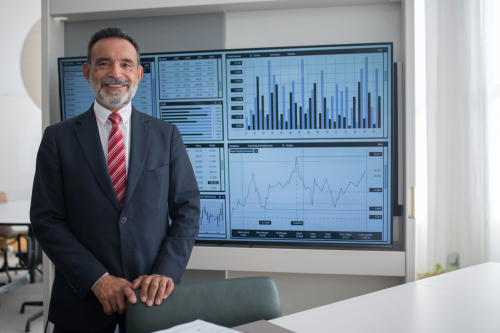
Technical prowess alone no longer guarantees success. Instead, Why Soft Skills Are Gaining Ground in an AI-Driven Economy has become a central conversation among leaders across the United States. Human qualities like empathy, adaptability, and creative problem-solving are emerging as the true differentiators.
As machines take over analytical work, the ability to connect, inspire, and navigate ambiguity sets exceptional professionals apart. This shift isn’t just theoretical it’s transforming hiring practices, leadership development, and team dynamics in boardrooms from New York to Toronto and Berlin.
The Rise of AI and the Enduring Value of Human Connection
Artificial intelligence excels at processing data, identifying patterns, and automating repetitive processes. Yet it still falls short in areas that require nuanced judgment, emotional intelligence, and ethical reasoning. Organizations are discovering that while AI can optimize operations, it is the human touch that builds trust, fosters innovation, and drives meaningful collaboration.
Leaders who combine technical knowledge with strong interpersonal abilities are better positioned to guide teams through uncertainty. In hybrid work environments spanning multiple time zones and cultures, the capacity to communicate clearly and build rapport has never been more essential.
How AI Is Reshaping Job Requirements
Many roles that once prioritized coding skills or data analysis now demand professionals who can interpret AI outputs, challenge assumptions, and translate insights into actionable strategies. This evolution highlights why soft skills matter more than ever in an AI-driven economy.
- Critical thinking: Questioning AI recommendations and spotting potential biases.
- Emotional intelligence: Reading the room during virtual meetings and managing team morale.
- Adaptability: Pivoting quickly when technology changes or market conditions shift.
- Creative collaboration: Bringing diverse perspectives together to solve problems AI alone cannot address.
These competencies enable workers to leverage AI as a powerful tool rather than competing against it.
The Growing Importance of Team Collaboration in Tech-Heavy Environments
Modern enterprises increasingly rely on sophisticated collaboration platforms. According to industry analysis, the global enterprise collaboration market continues to expand as organizations embrace remote and hybrid models, driven by needs for real-time communication and AI-enhanced tools.
Yet technology is only part of the equation. The most effective teams combine digital efficiency with genuine human connection. Professionals who excel at active listening, conflict resolution, and inclusive decision-making help their organizations unlock the full potential of both people and platforms.
Real-World Examples Across Industries
Consider healthcare providers navigating complex patient data systems while maintaining compassionate care. Or financial institutions using AI for risk assessment but relying on seasoned analysts to interpret results within broader economic and ethical contexts. In each case, soft skills bridge the gap between technological capability and human impact.
European firms, facing strict data protection standards like GDPR, particularly value leaders who can communicate compliance requirements clearly while fostering innovation. Similarly, Canadian organizations emphasize inclusive practices that respect diverse cultural backgrounds in their workforce.
Why Employers Are Prioritizing Soft Skills in Hiring
Recruiters report that candidates who demonstrate strong interpersonal abilities often outperform those with purely technical backgrounds over the long term. These individuals adapt more readily to new tools, mentor colleagues effectively, and contribute to positive workplace cultures.
In a competitive talent market, companies seek professionals who can:
- Build cross-functional relationships that accelerate project delivery.
- Navigate ambiguity when AI introduces unexpected outcomes.
- Communicate complex ideas to both technical and non-technical stakeholders.
- Demonstrate resilience and leadership during periods of rapid change.
Developing Soft Skills in the Age of AI
The good news is that soft skills can be cultivated intentionally. Organizations are investing in coaching, mentorship programs, and experiential learning opportunities. Workshops on emotional intelligence, negotiation, and creative thinking complement technical training.
Individual professionals can take ownership of their development by seeking feedback, practicing active listening, and stepping outside their comfort zones. Reading widely, engaging in diverse conversations, and reflecting on interpersonal experiences all contribute to growth.
Balancing Technical Expertise with Human-Centered Abilities
The most successful leaders in today’s economy don’t treat soft skills and hard skills as opposing forces. They recognize them as complementary. A data scientist who can also articulate insights persuasively or an engineer who builds strong team cohesion creates outsized value.
This balanced approach proves particularly relevant as collaboration software becomes more sophisticated. Platforms that integrate artificial intelligence and machine learning thrive when paired with teams skilled in relationship-building and collective problem-solving.
Addressing Common Misconceptions
Some worry that emphasizing soft skills diminishes the importance of technical proficiency. In reality, the opposite is true. Technical skills open doors, but soft skills determine how far those doors lead and how effectively one can collaborate once inside.
Another misconception is that soft skills are innate and cannot be developed. While certain personality traits may come more naturally to some, consistent practice and self-awareness lead to meaningful improvement for anyone willing to invest the effort.
Preparing for the Future of Work
As artificial intelligence continues to advance, the workplace will keep evolving. Organizations that nurture both technological capabilities and human strengths will hold a distinct advantage. They will be more innovative, more resilient, and better equipped to serve their customers and communities.
Professionals who invest in developing their soft skills position themselves not just to survive but to thrive in this new landscape. The ability to connect, inspire, and adapt becomes the ultimate competitive edge.
Final Thoughts
The rise of AI doesn’t signal the end of human relevance in the workplace it amplifies the need for distinctly human qualities. In boardrooms across North America and Europe, forward-thinking leaders understand that technology works best when guided by empathy, creativity, and collaboration.
By embracing this reality, both individuals and organizations can build more fulfilling, productive, and innovative futures. The question isn’t whether soft skills matter in an AI-driven world. It’s how deliberately we choose to develop and value them.
The most successful professionals and companies will be those who master the beautiful balance between artificial intelligence and authentic human connection.
Frequently Asked Questions
Why are soft skills becoming more important in an AI-driven economy?
As AI takes over data processing and repetitive tasks, uniquely human qualities like empathy, adaptability, and creative problem-solving have become the true differentiators in the workplace. While AI can optimize operations, it’s the human touch that builds trust, fosters innovation, and drives meaningful collaboration. Organizations across North America and Europe are recognizing that technical skills open doors, but soft skills determine how far those doors lead.
What soft skills are most in demand as AI reshapes job requirements?
The most sought-after soft skills in today’s AI-driven workplace include critical thinking (to question AI recommendations and spot biases), emotional intelligence, adaptability to rapid technological change, and creative collaboration. Employers increasingly value professionals who can interpret AI outputs, communicate complex insights to diverse stakeholders, and build cross-functional relationships competencies that allow workers to leverage AI as a tool rather than compete against it.
Can soft skills be learned and developed, or are they innate?
Soft skills can absolutely be cultivated intentionally the belief that they are fixed personality traits is a common misconception. Organizations are investing in coaching, mentorship programs, and workshops on emotional intelligence, negotiation, and creative thinking. Individually, professionals can grow these skills by actively seeking feedback, practicing active listening, and engaging in diverse conversations and experiences.
Disclaimer: The information provided is for general knowledge and educational purposes only and does not constitute professional advice.
You may also be interested in: Entrepreneurship Education Consultant Services Explained
Organizations are being asked to prepare diverse talent for AI, changing work models, and rising skill demands, and technology alone won’t close the gap. Dr. JoAnn Rolle is a Ph.D. economist, former IBM executive, former Dean of the School of Business at Medgar Evers College (CUNY), Past President of the National HBCU Business Deans Roundtable, author of Tech-Enabled Futures. Her Tech-Enabled Futures™ approach treats AI as a teammate that amplifies human judgment instead of replacing it. She helps organizations turn AI disruption into practical, inclusive strategies that build AI readiness, develop talent, and prepare people to thrive in the future of work. Start the conversation today.
Powered by flareAI.co

2 thoughts on “Why Soft Skills Are Gaining Ground in an AI-Driven Economy”
Comments are closed.