
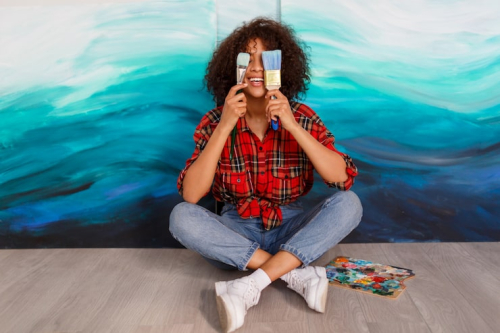
In an era where side hustles have become a lifeline for many, digital art stands out as one of the most accessible and creatively fulfilling ways to earn extra income. No gallery connections or expensive studio space required just a computer, some software, and a spark of imagination. What was once dismissed as a niche hobby has quietly evolved into a viable pathway for artists to turn passion into profit, often from the comfort of home.
Organizations are being asked to prepare diverse talent for AI, shifting work models, and rising skill demands yet many approaches still fall short. The result is widening gaps, missed potential, and stalled progress. Dr. Jo Ann Rolle brings 35+ years of cross-sector insight to help leaders build practical, inclusive strategies for workforce, education, and entrepreneurship. Start the conversation today!
The Rise of Digital Art as a Practical Side Hustle
Digital art encompasses everything from illustrations and animations to generative pieces created with algorithms. Unlike traditional painting, it lowers barriers dramatically. Aspiring creators can start with free or low-cost tools like Procreate, Adobe Fresco, or even browser-based platforms. Many begin experimenting in evenings after a day job, gradually building a portfolio that attracts real buyers.
The appeal lies in its flexibility. A graphic designer by trade might create custom digital portraits on weekends, while a teacher could sell print-on-demand artwork inspired by classroom themes. The online art market has grown steadily, reflecting broader shifts toward digital consumption.
Why Digital Art Appeals to Modern Side Hustlers
Traditional art careers often demand years of networking and physical presence at shows. Digital creation flips that script. Artists retain full control over their workflow, experimenting freely without wasting expensive materials. Revisions take seconds rather than days, and distribution happens instantly across platforms.
Platforms like Etsy, Redbubble, and Society6 allow creators to sell prints, apparel, and digital downloads with minimal upfront investment. Others turn to Patreon or Ko-fi for recurring support from fans who enjoy behind-the-scenes process videos. For those willing to learn blockchain basics, NFT marketplaces have matured into more selective opportunities focused on community and utility rather than hype.
Getting Started: Tools and Skills That Matter
Beginners often feel overwhelmed by the array of software, but the truth is you don’t need everything at once. Many successful side hustlers start simple:
- Free options like Krita or GIMP for raster work
- Vector tools such as Inkscape
- Mobile apps that turn an iPad into a portable studio
Beyond tools, developing a consistent style proves crucial. Successful creators treat their side hustle like a small business posting regularly on Instagram or TikTok to showcase process, not just polished finals. Engagement builds an audience faster than perfection ever could. The key is starting small, iterating often, and learning what resonates with viewers through real feedback.
Monetization Strategies That Actually Work
Diversification separates hobbyists from those generating meaningful income. Some focus on commission work, charging for personalized pieces tailored to client requests. Others build passive revenue through stock art sites or licensing designs to brands.
Print-on-demand services handle fulfillment, letting artists focus on creation rather than shipping logistics. Teaching workshops via Zoom or creating digital product bundles such as custom brushes, templates, or tutorials adds another layer. The most effective approach involves understanding your niche deeply, whether whimsical illustrations for children’s books or sleek abstract pieces suited for modern offices. Real-world examples show that creators who combine multiple revenue streams often achieve more stable supplemental earnings over time.
Navigating Platforms and Building Visibility
Choosing the right marketplace makes a significant difference. Etsy suits handmade and digital downloads for many entry-level creators, while specialized art sites cater to higher-end collectors seeking unique works. Social media serves as the primary discovery engine for most artists today.
Consistent posting, meaningful interactions, and collaborations with other creators help cut through noise. Many artists share stories of their first sale coming unexpectedly after a viral thread or a feature in a niche community. Authenticity resonates strongly. Buyers connect with real humans behind the pixels, especially in a landscape increasingly filled with generic AI-generated content. Building visibility requires patience and strategy, but the payoff comes when your unique voice finds its audience.
Common Challenges and Realistic Expectations
Like any side hustle, digital art requires patience and persistence. Early months might yield more learning than income as you refine your process and marketing. Competition exists across platforms, and algorithms tend to favor consistency over sporadic bursts of activity. Intellectual property concerns also arise, making watermarking and clear licensing terms essential for protection.
Yet these hurdles mirror those in any creative field. The difference lies in scalability digital files can be sold repeatedly without additional production costs. Many creators report steady supplemental income that grows gradually as their audience and skills compound. Setting realistic goals, tracking what sells, and adjusting based on data helps turn initial experiments into sustainable practice.
Real-World Impact and Community Support
Communities on Discord, Reddit, and specialized forums provide mentorship and feedback loops that accelerate growth. Artists openly share pricing strategies, marketing tips, and even emotional support during slower periods. This collective knowledge has democratized what once felt like an exclusive world, empowering solo creators with limited time and resources.
Technology continues opening new doors as well. Improved tablets, thoughtful use of AI as an ideation aid rather than a replacement, and faster internet expand what’s possible. These advancements allow individuals operating on tight schedules to produce professional-quality work and reach global audiences more effectively than ever before.
Looking Ahead: Sustainable Creative Income
Digital art as a side hustle isn’t about overnight riches or immediately quitting your day job. It’s about reclaiming agency over your creative output and finding practical ways to let it support you financially, even if modestly at first. Those who approach it with seriousness setting clear goals, tracking progress, and iterating based on real sales data often discover unexpected fulfillment along the way.
The barrier to entry has never been lower, while the potential audience has never been larger. In a world increasingly hungry for original, human-made visuals amid algorithmic sameness, authentic digital creators occupy a valuable and growing space. Whether you’re doodling during lunch breaks or dedicating weekends to ambitious projects, the tools, platforms, and communities exist to help transform that creative spark into something sustainable and rewarding. The canvas is digital, the opportunities are real, and the only true limit is how far you’re willing to explore with dedication and authenticity.
Frequently Asked Questions
How do I start digital art as a side hustle with no experience?
You can begin with free or low-cost tools like Krita, GIMP, or Inkscape, and mobile apps that turn an iPad into a portable studio. The key is to start simple, develop a consistent style, and post regularly on platforms like Instagram or TikTok to build an audience. Many successful digital art side hustlers started experimenting in the evenings after their day job, gradually building a portfolio that attracts real buyers.
How much money can you make selling digital art online?
Earnings vary widely, but the global online art market surpassed $11 billion in 2024, reflecting strong demand for digital creators. Most artists start with modest supplemental income that grows steadily as their audience and skills develop. Diversifying across commission work, print-on-demand services, stock art licensing, and digital product bundles like brushes or tutorials tends to produce the most stable results over time.
What are the best platforms to sell digital art online?
Popular options include Etsy, Redbubble, and Society6 for prints and digital downloads, while Patreon and Ko-fi work well for fan-supported recurring income. Specialized art marketplaces cater to higher-end collectors, and NFT platforms now offer more community-focused opportunities. Choosing the right platform depends on your niche entry-level creators often find Etsy the most accessible starting point, while social media remains the primary discovery engine for building visibility.
Disclaimer: The above helpful resources content contains personal opinions and experiences. The information provided is for general knowledge and does not constitute professional advice.
You may also be interested in: The Real AI Risk in Higher Education: Student Unpreparedness
Organizations are being asked to prepare diverse talent for AI, shifting work models, and rising skill demands yet many approaches still fall short. The result is widening gaps, missed potential, and stalled progress. Dr. Jo Ann Rolle brings 35+ years of cross-sector insight to help leaders build practical, inclusive strategies for workforce, education, and entrepreneurship. Start the conversation today!
Powered by flareAI.co
