
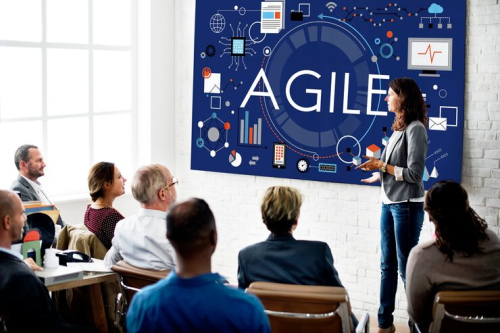
Organizations that thrive are those that treat adaptability and ongoing skill development not as nice-to-haves, but as core operating principles. Why Agility and Continuous Learning Are Shaping the Future of U.S. Organizations reflects the lived reality of leaders navigating technological disruption, shifting workforce expectations, and intense global competition.
The New Imperative for Agility and Learning
American companies once succeeded by perfecting predictable processes and scaling what worked. Those days are fading quickly. Rapid advances in artificial intelligence, evolving employee priorities around purpose and flexibility, and relentless competitive pressures have made organizational agility and continuous learning essential for survival and growth.
Decision-makers who understand this shift are positioning their organizations to respond faster to market changes, retain top talent, and foster cultures where innovation feels natural rather than forced. The result is stronger performance, higher employee engagement, and more sustainable competitive advantage across industries in the United States.
Emerging Trends Reshaping Organizational Culture
Modern workplaces across North America and Europe are moving away from rigid structures toward more dynamic ways of working. Three interconnected trends stand out as particularly influential for business leaders focused on long-term success.
Adaptive Work Structures
Many organizations are flattening hierarchies and forming cross-functional teams that can pivot quickly when opportunities or challenges arise. Agile project management methodologies, once confined to tech departments, now appear in marketing, operations, and finance teams. This shift allows companies to test ideas rapidly, learn from outcomes in real time, and adjust course without the heavy bureaucracy that once slowed progress.
Lifelong Learning Programs
Forward-thinking employers are investing in professional development that goes well beyond annual training budgets. Micro-credentialing, internal upskilling academies, and personalized learning pathways have become powerful tools for keeping workforces relevant and motivated. Employees who see clear opportunities to grow their capabilities tend to stay longer and contribute more creatively to their organizations.
Integration of Technology in Learning and Collaboration
AI-powered platforms now help teams summarize discussions, translate content across languages, and automate routine coordination tasks. Organizations are increasingly turning to advanced team collaboration tools to support these efforts. Demand is being propelled by generative-AI assistants that lift knowledge-worker output without expanding headcount, enabling both small and medium enterprises and larger firms to achieve more with their existing talent.
Real-World Applications Across Industries
These trends come alive when examining how organizations in different sectors are applying them in practice.
Tech Industry Leaders
U.S. technology companies have led the way in embedding agile methodologies into their core operations. Product teams ship updates in weeks rather than quarters, gather user feedback immediately, and iterate based on real data. This approach accelerates innovation while reducing the risk of investing heavily in features customers may not value. Similar patterns are emerging among innovative firms in Canada and technology hubs across Europe.
Healthcare and Life Sciences
In highly regulated sectors like healthcare, continuous learning takes on added importance. Organizations invest in ongoing training to meet evolving compliance standards such as HIPAA in the U.S., GDPR in Europe, and parallel requirements in Canada while improving patient outcomes. Internal mobility programs and structured mentorship initiatives help clinical and administrative staff develop new competencies without leaving the organization.
Across both sectors, hybrid and remote work arrangements have made robust digital collaboration platforms indispensable. Teams that master these tools maintain cohesion and momentum regardless of physical location.
Overcoming Key Challenges in Implementation
Implementing agility and continuous learning sounds straightforward in theory, yet real-world execution brings notable obstacles that require thoughtful leadership.
- Cultural resistance in legacy organizations: Long-established companies often encounter skepticism from employees accustomed to traditional ways of working. Successful transformations require visible commitment from leadership and clear, consistent communication about the benefits of change.
- Balancing development with daily demands: Teams cannot pause core operations while they upskill. The most effective organizations integrate learning into the flow of work through short, focused micro-learning sessions, on-the-job coaching, and resources available exactly when needed.
- Maintaining engagement in distributed environments: Remote and hybrid models can weaken personal connections if not managed intentionally. Leaders address this by designing regular collaboration rhythms and using technology to recreate spontaneous interactions and collective problem-solving.
Practical Strategies for Building an Agile Learning Culture
Leaders ready to move from aspiration to execution can focus on these high-impact actions that deliver tangible results:
- Model learning behaviors at the executive level by publicly sharing what senior leaders are studying or new skills they are developing.
- Create psychological safety so employees feel comfortable experimenting, sharing ideas, and occasionally failing as part of the learning process.
- Align incentives and performance metrics with adaptability and knowledge sharing rather than solely short-term output targets.
- Leverage insights from collaboration platforms to identify skill gaps and surface emerging best practices across teams in real time.
- Partner with educational institutions and industry networks to bring fresh external perspectives into internal development programs.
Regional Perspectives: United States, Canada, and Europe
While the core discussion centers on U.S. organizations, parallel dynamics are playing out across borders. Canadian firms often balance agility with strong emphasis on work-life balance and employee well-being. European organizations navigate additional considerations around data protection under GDPR when deploying new learning technologies and collaboration systems. Despite these nuances, the fundamental principles remain consistent: organizations that learn faster and adapt more fluidly consistently outperform their peers in competitive markets.
Looking Ahead: Culture as a True Competitive Advantage
Agility and continuous learning have evolved from peripheral HR initiatives into central elements of how successful organizations define themselves and compete. Companies that embed these capabilities deeply into their culture will be far better equipped to navigate uncertainty, seize emerging opportunities, and attract the talent that seeks growth-oriented environments.
The organizations that will thrive in the coming decade are those whose people feel equipped to evolve alongside their work not just once a year during formal reviews, but every single day through practical habits and supportive systems. Building this kind of culture demands intention, sustained investment, and leadership consistency. Yet the returns, measured in innovation capacity, organizational resilience, and employee commitment, make the effort profoundly worthwhile.
The future belongs to the adaptable. Those who treat learning as a continuous, everyday process rather than a periodic event will be the ones shaping industries rather than merely reacting to change.
Frequently Asked Questions
Why is organizational agility important for businesses today?
Organizational agility is essential because rapid advances in AI, shifting employee expectations, and intense global competition have made rigid, process-driven models increasingly obsolete. Companies that build agility into their culture can respond faster to market changes, reduce innovation risk, and retain top talent. This adaptability translates into stronger performance and a more sustainable competitive advantage across industries.
What are the most effective strategies for building a continuous learning culture at work?
The most impactful strategies include having senior leaders visibly model learning behaviors, creating psychological safety so employees feel comfortable experimenting and occasionally failing, and integrating learning into the daily flow of work through micro-learning sessions and on-the-job coaching. Organizations also benefit from aligning performance metrics with adaptability and knowledge sharing, rather than focusing solely on short-term output. Partnering with educational institutions and leveraging data from collaboration platforms to identify skill gaps can further accelerate workforce development.
How are AI and technology transforming workplace learning and collaboration?
AI-powered platforms are now helping teams summarize discussions, automate routine coordination tasks, and translate content across languages all without expanding headcount. Tools like generative AI assistants are boosting knowledge-worker productivity and enabling both small businesses and large enterprises to get more from their existing talent. As hybrid and remote work models become the norm, mastering these digital collaboration technologies has become essential for maintaining team cohesion and momentum.
Disclaimer: The information provided is for general knowledge and educational purposes only and does not constitute professional advice.
You may also be interested in: Honoring My Parents: A Legacy of Faith, Integrity, and Love
Organizations are being asked to prepare diverse talent for AI, changing work models, and rising skill demands, and technology alone won’t close the gap. Dr. JoAnn Rolle is a Ph.D. economist, former IBM executive, former Dean of the School of Business at Medgar Evers College (CUNY), Past President of the National HBCU Business Deans Roundtable, author of Tech-Enabled Futures. Her Tech-Enabled Futures™ approach treats AI as a teammate that amplifies human judgment instead of replacing it. She helps organizations turn AI disruption into practical, inclusive strategies that build AI readiness, develop talent, and prepare people to thrive in the future of work. Start the conversation today.
Powered by flareAI.co
